How to renovate a whole apartment in Málaga, step by step
Renovating a whole apartment in Málaga is done in phases, and the order matters more than the floor area. First the decisions and an itemised breakdown are settled, then the permits and the homeowners' association, and only then the work: protection, demolition, installations with their tests, masonry, finishes, carpentry, paint and a final check. What the job is worth is not worked out here: it is in how much it costs to renovate an apartment.
Below is what has to be settled before you ask for a quote, the order of the trades with an indicative timescale for each phase, and what changes if the flat is old, if there is a homeowners' association, or if it is let or someone is living in it.
What to decide before you start
Before asking for a quote you have to settle what the job actually is. Two quotes for the same flat cannot be compared if one includes the electrical panel and the kitchen and the other does not. This is what is worth deciding:
- Kitchen. Whether it opens onto the living room or stays closed, whether the cabinets are part of the job, and whether you supply the appliances.
- Bathrooms. How many there are, whether a bathtub becomes a shower, and whether the toilet moves.
- Electrics. Where the sockets, light points and switches go, and whether the electrical panel is replaced.
- Heating and cooling. Whether new units or ducting go in, or the existing system stays.
- Floors and windows. What gets lifted, and whether the windows are part of the job.
- What comes out and what stays. Partitions, tiling and anything you want to keep.
- The state of the flat. Whether it is old — pipes, electrical panel, downpipe — and whether it is let or someone is living in it.
- The homeowners' association. Working hours, the lift and where a skip can go, if you already know.
The visit and the line items
With that list settled, the quote is asked for by seeing the flat. This is what gets looked at:
- Have the flat seen. The scope is settled on the visit, not from a photo.
- The same items. Demolition, installations, masonry, finishes, carpentry and painting, kept separate.
- Measurements and finishes. Square metres and what will be installed, with its reference.
- What is left out. The permit, furniture, appliances or the connection to the downpipe, if they are not included.
- Timescale, payment terms and guarantee. In writing, so one quote can be compared with another.
Two quotes for the same flat are compared item by item. What each item costs is not part of this guide.
The order, with indicative timescales
The timescales in this table are indicative. The trades overlap, and whatever turns up when the walls are opened moves the days. They are not Solteana's schedule, nor that of one particular job.
| Phase | What gets done | Indicative timescale | What to check |
|---|---|---|---|
| Decisions and the visit | Settle the kitchen, bathrooms, sockets, heating and cooling, and what comes out. See the flat and ask for an itemised quote | Before the work starts | That each item says what is included and what is left out |
| Permits and the association | Whatever procedure the town hall requires, and notice to the homeowners' association | Each town hall and each association sets it | Working hours, the lift, the skip and common elements |
| Protection and demolition | Protect common areas and whatever stays. Remove what was agreed and take the rubble out | The first days of the job | What is kept, in writing, and the route the rubble takes |
| Installations | Plumbing, electrics and heating or cooling if it is included. Tests before closing in | About two or three weeks, before closing in | Water pressure, the electrical panel and photos of the routes |
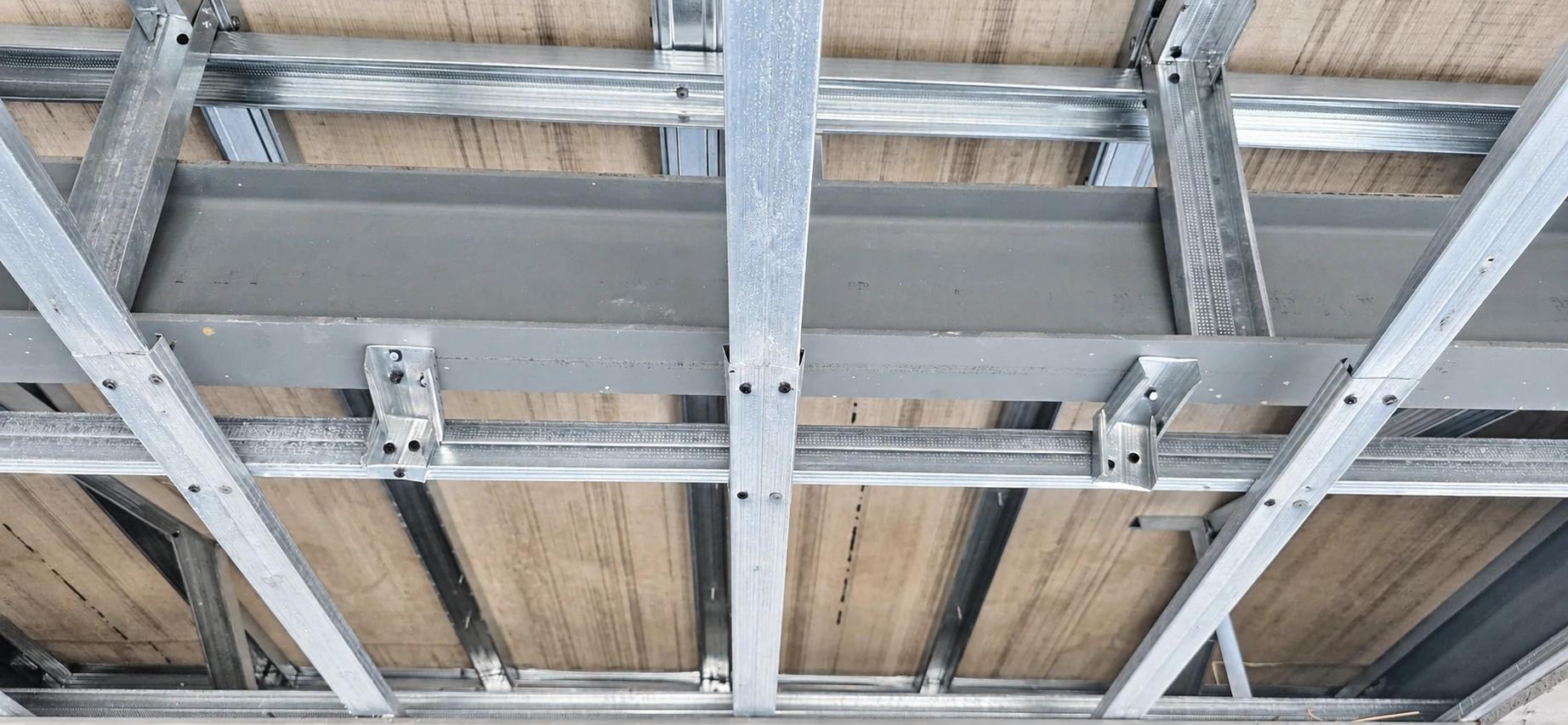
| Masonry and drywall | Partitions, wall linings and ceilings | About two or three weeks | That the layout is the one that was agreed |
| Finishes | Waterproofing where it is needed, flooring and tiling | About two or three weeks | Level, joints and the thickness of the floor at the doors |
| Carpentry | Windows if they are included, doors, wardrobes and the kitchen cabinets | Towards the end; the windows, once the opening is ready | Measurements taken on site |
| Paint, final touches and the check | Paint, switches and sockets, silicone, cleaning and a check against what was contracted | The last two or three weeks | The list of what was asked for, against what is actually there |
A general guide, not a Solteana timescale. On our projects, an entire flat takes between two and three months.
Permits and the homeowners' association
Depending on what is touched — partitions, installations, window openings — the town hall requires a building permit or a declaración responsable (a sworn statement filed with the council). The procedure and how long it takes depend on that town hall and on the job, so they cannot be taken as known when you ask for the quote. It is worth asking whether the building quote includes them or leaves them out.
In a block of flats, the homeowners' association sets the working hours, the use of the lift for bringing materials up, and where the rubble skip can stand. If the work touches a common element — the façade, the structure or the downpipe — their agreement is needed. It is better to know that before the visit: it changes access and it can move the start date.
An older flat in Málaga
In an older flat, what changes the order is what is behind the wall, not the town. Three things are worth looking at before the scope is settled:
- The pipes. If they are the original ones, replacing them means opening up walls and floors, and that comes before the flooring and the tiling. If they are left in place and covered over, the problem is still there behind the new finish.
- The electrical panel. If the installation is renewed, the panel is part of that item. If the quote does not name it, do not assume it is included.
- The downpipe. The one shared by several flats belongs to the homeowners' association. Inside the flat, the flat's own installation can be replaced; whatever connects to that downpipe is agreed with the association, and the quote has to say whether that connection is included or left out.
If the flat is let, or someone is living in it
If the flat is let, it has to be clear before the visit who is commissioning the work, who grants access and what is allowed to be changed. If that is not settled, the quote is drawn up for a scope that cannot then be carried out.
If someone is living in the flat, that has to be decided before the start. During demolition and while the installations are being replaced, the water and the power are cut off in zones, and the floors and walls are left open. That changes the protection, the order in which the rooms are done and how the trades come in.
Protection
Before anything is taken out, the landing, the stairs and the lift are protected, and so is whatever stays inside the flat. In a block, the dust and the impact of materials do not stay in the home: they pass through areas that belong to everyone.
Demolition
What was agreed gets removed: partitions, tiling, floors, sanitaryware. What is kept goes in writing, because demolition easily takes something that was meant to stay. The rubble goes out by the route agreed with the homeowners' association.
Installations, tested before they are closed in
Plumbing, electrics and, if it was decided, heating and cooling. The routes are left visible and tested before they are closed in with drywall or tiling. Opening up afterwards what is already finished is the job nobody wants to do twice. At this stage, look at:
- The water. A pressure test before the chases and the floors are closed.
- The electrics. The panel and the circuits, before the drywall covers them.
- The routes. Photos of where the pipes and cables run: once it is closed in, they can no longer be seen.
Masonry and drywall
Once the installations have been tested, the partitions, the wall linings and the ceiling go up. The setting-out has to be the layout that was agreed, not something close to it: moving a partition at this stage drags in what has just been covered.
Finishes: flooring and tiling
Flooring and tiling go in when the floor and the walls are no longer going to be opened. In the bathroom and the kitchen, the waterproofing comes before the tiling. The thickness of the new floor counts for the doors: if it is not allowed for, the door will not close.
Carpentry
Windows, if they are part of the job, are fitted once the opening is ready and before the last coat of paint. Internal doors and wardrobes wait until the floor is down. The kitchen cabinets come in at the end, when the paint is no longer going to mark them. Measurements are taken on site, not only from the drawing.
Paint and final touches
Paint, switches and sockets, cover plates, silicone and the clean. It is what you see when you walk in, and it comes last because every trade before it marks it.
The final check
The flat is walked with what was contracted in front of you: sockets where they were asked for, taps, doors, paint junctions, and water and power working. Whatever is missing is noted that day. The payment terms are written in the quote. The useful moments to check are not only the last one: after demolition, when what was hidden can be seen; after the installation tests and before closing in; and on handover day.
How we work at Solteana
On our projects, an entire flat takes between two and three months. Before starting the project we lock in the price with a signed quote (digital signature), and that price holds until the project is finished. You get one quote and one point of contact, with an on-site foreman. When the work is finished we give you a three-year guarantee: if something fails within that time because of us or the work, we come back and fix it at no cost.
You can see the full renovation, complete renovations in Málaga and renovations in Torremolinos.
Frequently asked questions
In what order is an entire flat renovated in Málaga?
Protection and demolition, installations with their tests before they are closed in, masonry and drywall, finishes, carpentry, paint and a final check. Before that come the decisions, the itemised quote, the permits and the homeowners' association. The timescale of each phase is a guide; on our projects, an entire flat as a whole takes between two and three months.
What has to be decided before asking for the quote?
Kitchen, bathrooms, sockets and light points, heating and cooling, which floors and windows are included, what comes out and what stays, and whether the flat is old, let or occupied. Without that, two quotes for the same flat are not about the same job.
What should you look at in an older flat in Málaga?
Three things that move the order of the work: whether the pipes and the electrical panel are the original ones, and how the flat connects to the association's downpipe. Replacing pipes and the panel means opening up before the finishes. The downpipe shared by several flats does not belong to the flat: it is agreed with the association, and the quote says whether that connection is included.
Do you have to speak to the homeowners' association?
Yes, before starting. The association sets the working hours, the use of the lift and where the skip goes. If a common element is touched, such as the façade, the structure or the downpipe, their agreement is needed. The town hall procedure is separate and depends on the job.
Can the work be done if the flat is let or someone is living in it?
If it is let, it has to be clear before the visit who is commissioning the work, who grants access and what may be changed. If someone is living in it, demolition and the installations cut off the water and the power and leave the home open: how that will be organised has to be decided before the start date is fixed, because it changes the protection and the order.